Environmental Values

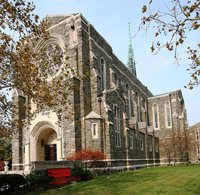
ForestHills_May2013Since the late 1970’s, Forest Hill Presbyterian Church in Cleveland Heights has been working on energy conservation and environmental awareness. Starting out with a focus on energy efficiency in their building, the church has also developed environmental values. Forest Hill Church’s mission statement for Earth care is “Care of the Earth… is achieved through encouragement and education, enabling change within our individual lifestyle, church and greater community.” They focus on encouraging the individual all the way to working with the community as a whole.

Longtime member, David Hunter, has been improving the building’s energy efficiency for many years. He has been a pillar in the church’s efforts to conserve energy for the past 30-40 years, with a significant focus the past 10-12 years. Continue reading

Sacred Earth

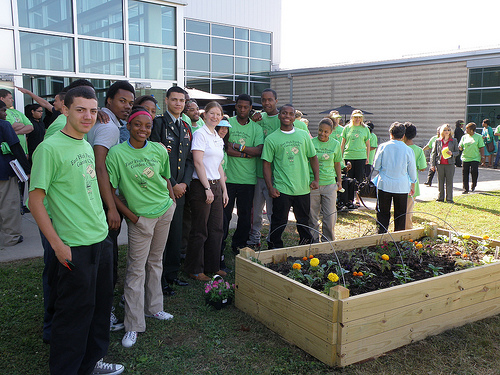
firstCongUCC_Columbus_3Environmental stewardship at The First Congregational Church, United Church of Christ, located in Columbus, first got started when global warming was just beginning to be taken seriously. “On April 17, 2007, at the monthly meeting of the Missions Commission, a sub-committee of eight members was formed to engage the congregation in environmental stewardship of the earth,” says Dawn George, the lead committee member. The committee decided to name itself Sacred Earth. The first project of the committee was to raise awareness about ways each person can conserve the earth’s resources. The next action was to begin selling Fair Trade Products through the United Church of Christ Coffee Project. Continue reading

Climate and Agricultural Ethics: Winds and Seeds of Change

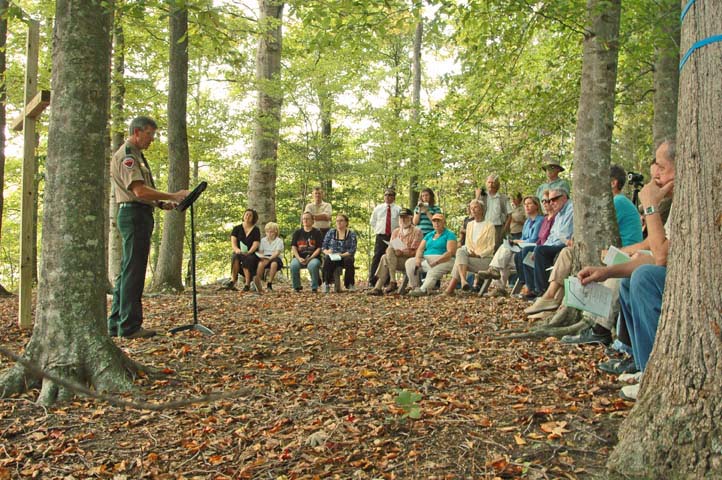
UU_WayneCounty_BlogPostThe Unitarian Universalist Fellowship of Wayne County recently (Jan, 2012) hosted a forum on the ethics of Earth stewardship, entitled Climate and Agricultural Ethics: Winds and Seeds of Change. This unique community lecture featured Calvin DeWitt, an ecologist and author, and David Kline, a local Amish farmer and author. Inspiring a discussion of how to be environmental stewards in the spirit of one’s faithful calling, both presenters spoke of the responsibility of caring for the earth—“as the earth serves us, we must return with service of our own”. When asked if he has seen changes on his farm due to climate change, David Kline noted, “I am an observer of things, and I can say things are different”. Both challenged the audience to “do what you can where you are—make the changes in your own setting; be faithful, not successful.” Continue reading

Tracking our carbon footprint

Excerpted from Living Lutheran

Maintaining a 100-year-old church facility is expensive business.

Just ask Sara Ward, a member of [First English Lutheran Church] (http://www.columbuslutherans.org), an Evangelical Lutheran Church in America (ELCA) congregation in Columbus, Ohio, who says that nearly 20 percent of the congregation’s budget is spent on utility and maintenance costs.

For an inner-city congregation struggling financially, that’s a pretty significant allocation. But members have learned that there are options to reducing those energy costs, thanks to both the 2009 and 2011 ELCA Churchwide Assemblies, which accepted proposals designed to encourage congregations to reduce their usage of carbon-based fuels and taking better care of God’s creation. Continue reading